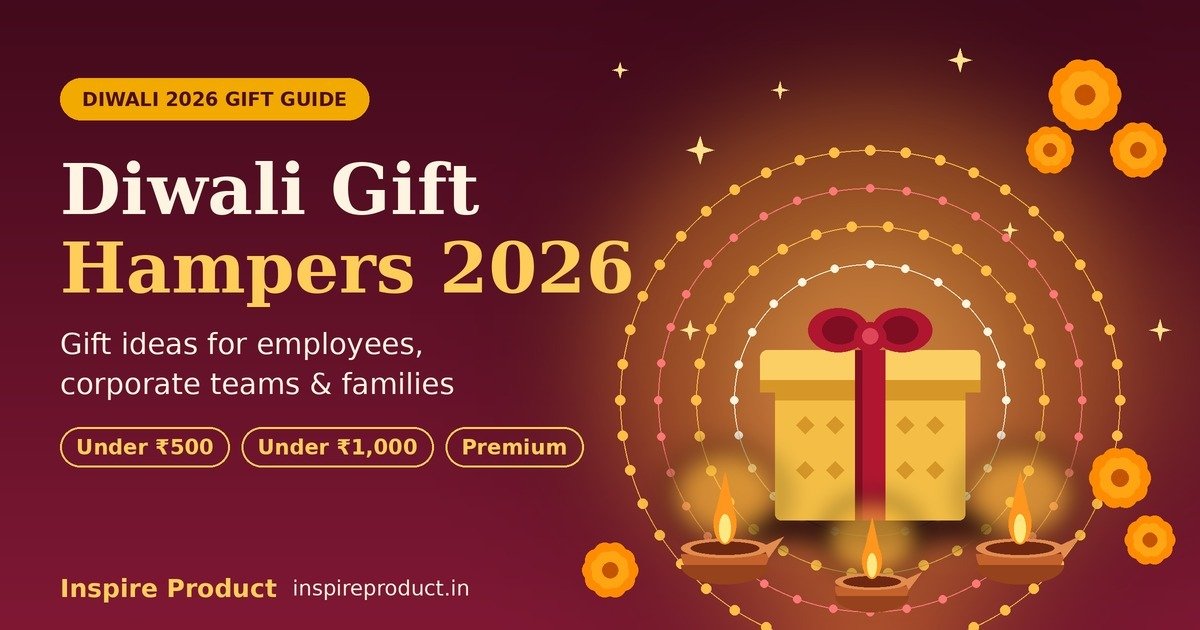
Diwali Gift Hampers 2026: Best Corporate & Employee Ideas
Diwali gift hampers are the simplest way to say thank you to the people who make your year better, and
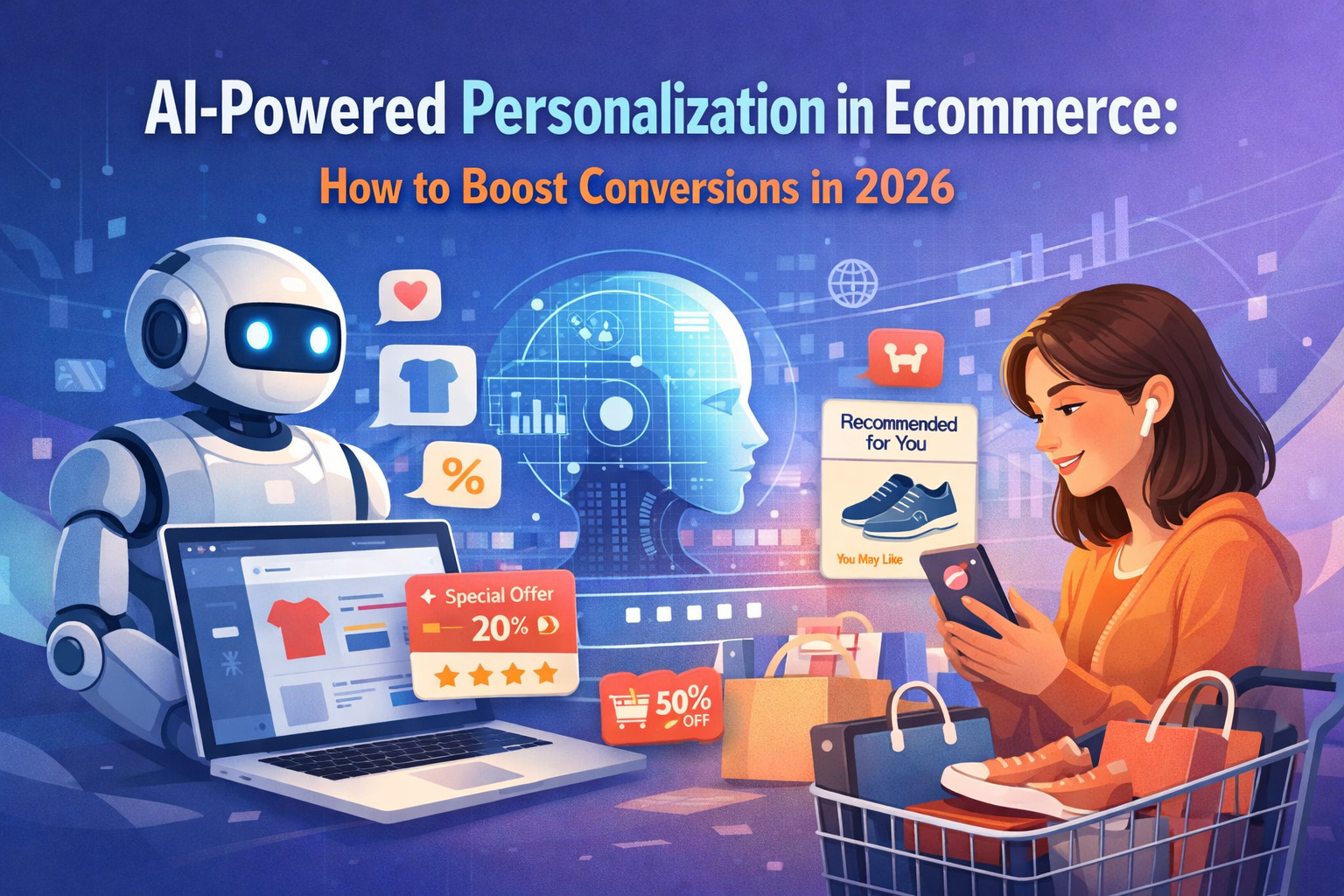
Imagine walking into a local kirana store where the shopkeeper already knows your preferences they’ve kept your favourite brand aside, suggest something new you might love, and offer you a deal just for you. That personal touch is why local stores have thrived in India for generations.
Now imagine bringing that same experience to your online store at scale, 24 hours a day, for thousands of customers at once.
That is exactly what AI-powered personalization does for ecommerce businesses in 2026.
India’s ecommerce market is booming. With millions of shoppers moving online every year, standing out is no longer just about having good products — it’s about making every visitor feel like your store was built specifically for them. And the numbers prove it works: generic online stores convert at just 1.65% on average, while stores using advanced AI personalization are hitting 4.2% and beyond.
At Inspire Product, we are a platform built for passionate Indian sellers from handmade jewellery creators and artisanal food makers to home décor entrepreneurs and women-led home businesses. This guide is written specifically for sellers like you: practical, data-backed, and actionable.
Whether you are a seller on Inspire Product or running your own ecommerce store, this guide will show you exactly how to use AI personalization to grow your sales in 2026 even without a large budget or a tech team.
AI personalization means using artificial intelligence and machine learning to tailor every part of the shopping experience from product recommendations and homepage displays to emails and promotional offers based on each individual customer’s behaviour, preferences, and buying intent.
Think of it this way: instead of showing every visitor the same homepage and the same products, an AI-powered store learns about each customer in real time and adjusts what they see accordingly.
| Old Rule-Based | AI-Powered (2026) |
|---|---|
| “If bought X, show Y” | Predicts what customer will want next |
| Segment-based (age, city) | Individual-level micro-targeting |
| Updated weekly/monthly | Updates in real time, per session |
| Based on past purchases only | Uses scroll depth, hover time, clicks, time of day |
| 2–3% conversion rates | 4–6%+ conversion rates |
Modern AI engines analyse micro-behaviours in real time including how long a customer hovers over a product image, how fast they scroll, which categories they keep returning to and instantly adjust what products, banners, and offers they see. No two customers see the same storefront.
Understanding where your store currently sits helps you plan your next step:
The goal is to move your store from Level 1 toward Level 4, one step at a time.
Let’s look at the data because the results are impossible to ignore.
India’s digital shoppers are sophisticated. With over 900 million internet users and mobile-first buying habits, Indian consumers increasingly expect:
According to global research, 73% of consumers expect brands to understand their unique needs, and 76% get frustrated when they don’t find a personalised experience. Indian ecommerce shoppers are no different — and with platforms like Amazon and Flipkart already delivering hyper-personalised experiences, independent sellers and small platforms must step up to compete.
For sellers on Inspire Product, this is actually an opportunity. Your customers come to you for unique, handmade, and meaningful products. Personalization helps you showcase the right product to the right buyer increasing the chance they find exactly what they’re looking for and come back for more.
Here are the six most impactful personalization strategies you can implement ordered from simplest to most advanced.
What it is: Automatically surfacing products a specific customer is most likely to buy, based on their browsing history, past purchases, and behaviour of similar shoppers.
Where to use it:
Why it works: Fast-growing ecommerce companies derive 40% more revenue from personalization than slower-growing peers, with recommendations contributing up to 31% of total revenue.
Real-world example: A customer browsing handmade brass diyas on Inspire Product during Diwali season could be shown curated gift hampers, matching puja thalis, and organic agarbattis products they’re likely to need together, surfaced at exactly the right moment.
Tactical tips for Indian sellers:
Tools to consider: Nosto, Rebuy (for Shopify stores), LimeSpot, WooCommerce Product Recommendations
What it is: Sending behaviour-triggered messages not generic broadcast emails based on what a specific customer has browsed, added to cart, or purchased.
Key automated flows to set up:
| Flow | Trigger | Purpose |
|---|---|---|
| Browse abandonment | Viewed a product but didn’t add to cart | Bring them back |
| Cart abandonment | Added to cart but didn’t checkout | Recover lost sale |
| Post-purchase | Completed an order | Cross-sell, build loyalty |
| Replenishment | Based on typical reorder period | Drive repeat purchases |
| Win-back | Inactive for 60–90 days | Re-engage lapsed customers |
Why it works: Personalized emails deliver 6x higher transaction rates than generic email blasts. Triggered cart abandonment emails alone show a 6.7% conversion improvement.
For Indian sellers the WhatsApp opportunity: India has over 500 million WhatsApp users. Personalized WhatsApp messages for cart recovery and order updates convert significantly better than email for many Indian customer segments. Consider adding WhatsApp to your communication stack alongside email.
Tactical tip: Don’t just use first name personalization (“Hi Priya”). Include the specific product they looked at, a review from another customer, and a relevant offer. That level of relevance is what drives clicks.
What it is: Showing different homepage banners, featured products, and category highlights to different visitors based on who they are and what they’ve shown interest in.
Examples:
Why it works: Users who engage with AI shopping assistants and personalized storefronts convert at 4x the rate of those who browse generic pages.
For Inspire Product sellers: When your products appear in a curated, personalized category for the right shopper, your visibility increases dramatically and so does your conversion rate.
Tactical tip: Even without full AI, you can manually create seasonal collections and use customer tags (new vs. returning, category affinities) in platforms like Shopify to serve different homepage experiences to different segments.
What it is: A search function that understands intent not just keyword matching and returns results personalised to each individual shopper’s preferences and history.
Why this is a massive opportunity: Site search users are 2.4x more likely to buy and spend 2.6x more than visitors who don’t use search. Yet most ecommerce stores still have basic keyword-match search that returns irrelevant results.
What good AI search does:
Real example: A customer typing “gift for wife anniversary” on an AI-powered search should see curated jewellery sets, personalized keepsakes, and gift hampers not a generic list of all products with “gift” in the title.
Tools to consider: Searchanise, SearchPie (Shopify), Doofinder, Luigi’s Box
What it is: Detecting what a customer is doing in real time and responding with a relevant offer, message, or content change at exactly the right moment.
Examples of smart behavioural nudges:
Why it works: AI personalization can decrease cart abandonment by 4.35% through real-time nudges at the point of decision and with global cart abandonment rates sitting at 70%, that’s significant recoverable revenue.
Important for Indian sellers: Avoid generic popups. A pop-up that says “Get 10% off!” shown to everyone is noise. A pop-up that says “Complete your Diwali gift set add a matching puja thali for 10% off” shown to someone who has a brass diya in their cart is relevant. Relevance converts.
What it is: Using the post-purchase moment often completely ignored by small sellers to deepen the customer relationship and drive repeat purchases.
Post-purchase personalization touchpoints:
Why it works: 60% of consumers become repeat buyers after a personalized experience, and customers in loyalty programs spend 40% more than non-members. The post-purchase journey is your most cost-effective acquisition channel it costs 5x more to acquire a new customer than to retain an existing one.
Especially important for handmade and artisan sellers: Your customers buy from you because they value authenticity and connection. A personal thank-you note (even automated but thoughtful) goes a long way in building the kind of loyal community that sustains a small business.
Here’s the uncomfortable truth that most AI vendors won’t tell you:
68% of personalization failures are caused by poor data quality not bad AI tools.
Many sellers buy an expensive personalization platform and see zero results not because the tool doesn’t work, but because the underlying customer data is a mess. Duplicate profiles, missing purchase history, inconsistent product categories these make even the best AI useless.
Before spending on AI personalization tools, ensure you have:
1. Clean product catalogue data
2. Unified customer profiles
3. Reliable event tracking
Once your data foundation is solid, even basic AI tools will deliver significantly better results.
Before personalization: Shows the same “New Arrivals” page to every visitor. Conversion rate: 1.9%.
After personalization:
Result: Conversion rate increases to 3.4%, AOV increases by 18% through complementary product suggestions.
Before personalization: Generic monthly newsletter to all subscribers. Open rate: 14%.
After personalization:
Result: Email-driven revenue grows from 8% to 27% of total revenue. Repeat purchase rate increases by 31%.
Before personalization: Traffic spikes during Diwali but most visitors don’t convert.
After personalization:
Result: Diwali season conversion rate increases from 2.1% to 4.7%. Bundle purchases increase AOV by 22%.
You don’t need a ₹10 lakh budget to get started with AI personalization. Here’s a practical breakdown for Indian sellers:
Best for: Individual sellers and small businesses just getting started
Best for: Growing ecommerce stores with ₹5–₹50 lakh annual revenue
Best for: Established brands targeting serious scale
For sellers on Inspire Product: Start by ensuring your product listings are fully filled out with rich tags, categories, and occasion markers. This is the foundation that enables personalization at the platform level and it’s completely free.
You don’t have to do everything at once. Here’s a practical step-by-step plan:
India’s ecommerce market is projected to reach $163 billion by 2026, growing at over 20% annually. With UPI payments making digital transactions seamless, smartphone penetration deepening into tier-2 and tier-3 cities, and a growing middle class hungry for quality products, the opportunity for Indian sellers has never been larger.
But with opportunity comes competition. The sellers who will win the next decade are not necessarily those with the biggest budgets they’re the ones who build genuine, personal connections with their customers through smarter, more relevant experiences.
AI personalization is the technology that makes that possible at scale.
At Inspire Product, we believe deeply in the power of authentic, meaningful products the kind made with care by passionate Indian creators. When you combine that authenticity with intelligent personalization, you create something Amazon and Flipkart can’t replicate: a genuinely personal shopping experience centered on unique, handcrafted goods.
Q: Does AI personalization work for small ecommerce stores in India?
Yes in fact, small stores often see the biggest percentage gains because they’re starting from a low baseline. Even basic personalization tactics like cart abandonment emails and product recommendations can double your conversion rate. Start with free or low-cost tools and scale as you grow.
Q: Do I need technical knowledge to implement AI personalization?
Most modern tools are no-code and plug into platforms like Shopify, WooCommerce, or custom stores via simple installation. You don’t need a developer to get started with the basics.
Q: How long does it take to see results?
Cart abandonment flows and product recommendations typically show results within the first 2–4 weeks. Broader personalization impact on revenue is usually measurable within 60–90 days.
Q: Is AI personalization expensive?
Not necessarily. Several tools offer free tiers for small stores. The industry average payback period is just 9 months and for most stores, the incremental revenue from even basic personalization more than covers the cost of the tools.
Q: How does personalization work for handmade or unique products?
Especially well. Shoppers of handmade and unique products often have strong taste preferences certain aesthetics, materials, occasions. AI personalization helps surface the right product to the right buyer, reducing “too many options” paralysis and increasing the chance of a match.
The future of Indian ecommerce belongs to sellers who make customers feel seen, understood, and valued not just sold to.
AI-powered personalization is not about replacing the human touch. It’s about amplifying it making sure every customer who visits your store finds something that resonates, gets a nudge when they need it, and feels the warmth of a brand that actually pays attention.
You don’t need to be Amazon to do this. Start small, be consistent, and use the data you already have. Every product view, every purchase, every abandoned cart is a signal a customer telling you what they care about.
Listen to those signals. Respond to them personally. And watch your conversions grow.
Ready to grow your ecommerce store in India?
Explore unique, handpicked products and start your selling journey at Inspire Product a platform built for passionate Indian creators, women entrepreneurs, and small businesses ready to reach more customers online.
👉 List Your Products on Inspire Product
👉 Explore Our Seller Community
Tags: #AIPersonalization #EcommerceIndia #InspireProduct #BoostConversions #OnlineSellingIndia #SmallBusinessIndia #HandmadeProducts #WomenEntrepreneurs #EcommerceTips2026 #DigitalEntrepreneur
© 2026 Inspire Product | inspireproduct.in | All rights reserved.
Diwali gift hampers are the simplest way to say thank you to the people who make your year better, and
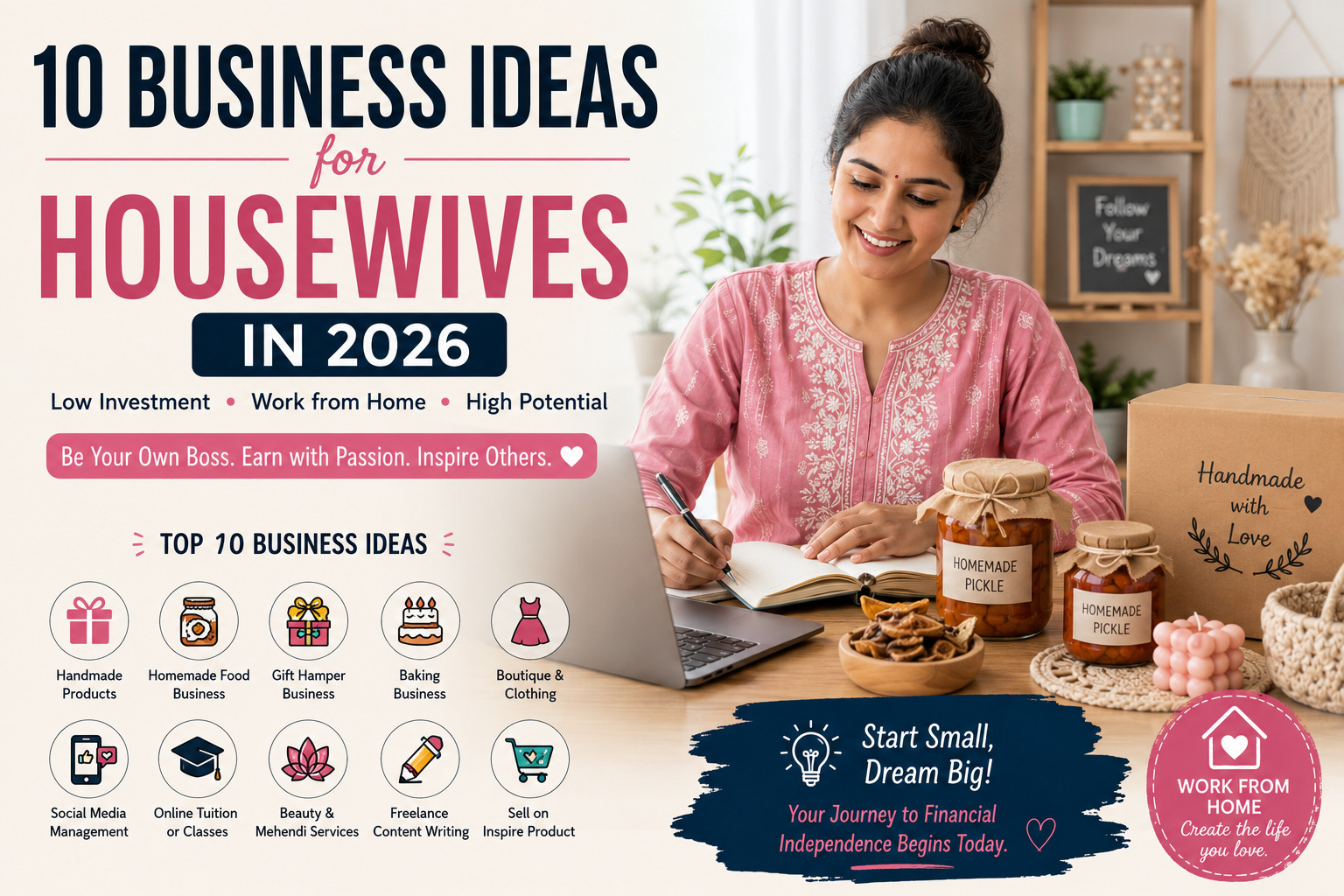
In today’s digital world, women no longer need a large investment or a commercial office to start a successful business.